Golden images that agree
A team renders its screens in Node in CI and in the page in the browser. One golden image serves both, because the frames match.


FOR WEB DEVELOPERS
One WebAssembly file draws your whole interface, frame for frame the same as Aster's desktop build, and it imports nothing from your page.
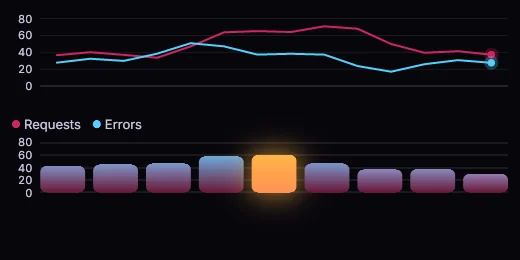 Drawn by Aster
Every number here names where it came from.
Aster's web build and its desktop build draw identical frames, and we compare a fingerprint of every one. This compares Aster with itself, not with a browser's own drawing.
976 of 976 frames identical: Aster's native build vs its WebAssembly build, run under Node.The renderer, the controls and the fonts come in one file. It needs no JavaScript glue.
About 2.6 MB brotli over the wire.A 2D canvas is enough. There's a plain build for engines without SIMD.
No WebGL, no WebGPU, no cross-origin isolation.The module reports which rectangles changed, so a browser host can present just those.
One scripted step of the night-sky scene: about 0.2 ms (WebAssembly under Node).That package runs in Node, not in the browser.
 Drawn by Aster
A team renders its screens in Node in CI and in the page in the browser. One golden image serves both, because the frames match.
A team steps the clock itself and saves every frame. The same steps give the same frames, ready for a video or a test.